Stakeholder Visions for Biochar in UK Agriculture: Implications for Governance
Biochar Brief 2
1. About (this) Biochar Brief
Biochar Briefs are a series of short documents produced by the social sciences team on the UKRI funded Biochar Demonstrator programme (2021-2026). The series aims to present aspects of the social science research in an accessible form for a variety of audiences interested in biochar production, utilisation / deployment, governance, and science.
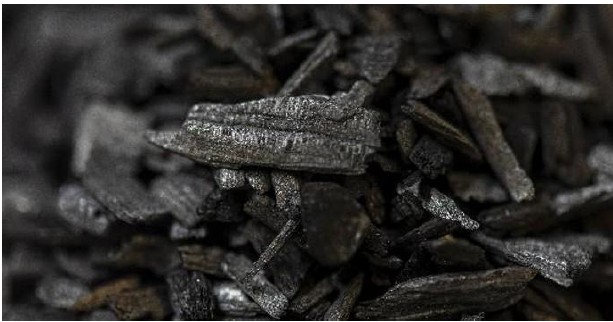
Biochar is increasingly discussed as one of several land-based options that could contribute to the UK’s greenhouse gas removal (GGR) ambitions. Its appeal in this context stems from the ability of some biochars1 to store carbon in a relatively stable form, offering a removal pathway that is both measurable and potentially long-lasting.
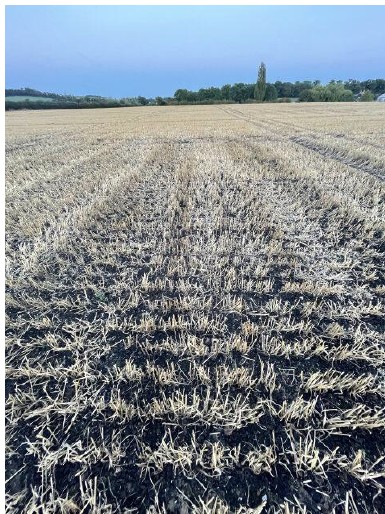
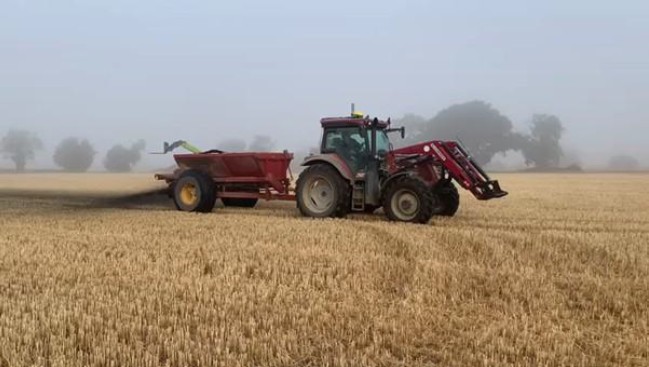
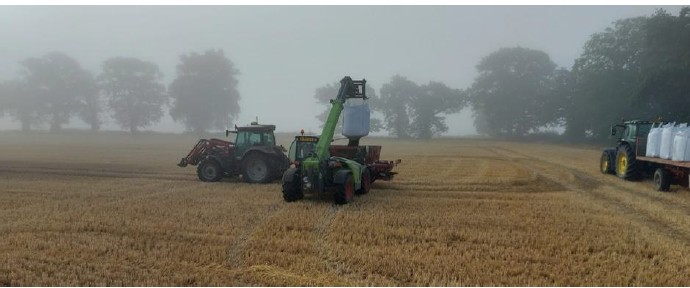
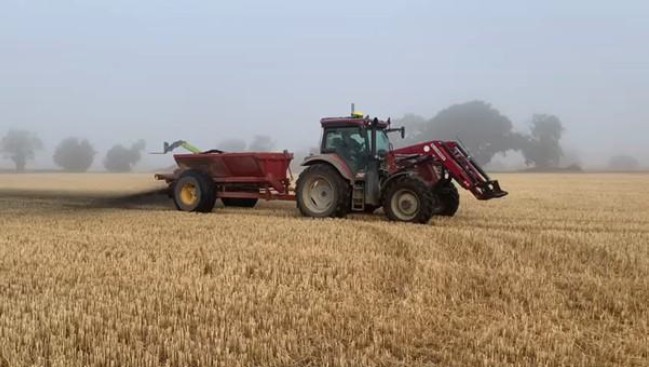
Biochar Brief 2 focuses on biochar and UK agriculture. Farmland is commonly positioned, sometimes taken for granted, as the place where biochar is most likely to be used, even though agriculture is only one of several potential pathways for biochar application or use, alongside land remediation, construction materials, and horticulture.
Existing land-management systems and practices create a sense of compatibility: biochar seems to fit within familiar routines of farming and there is some evidence that it has various agricultural co-benefits. This may help to explain the often-observed assumption that farmland is the most suitable and practical place for biochar even though this largely ignores the priorities and risk assessments of farmers as key stakeholders.
This Biochar Brief seeks to examine the assumptions about biochar’s role in agriculture by presenting stakeholder perspectives and considering how these are shaping the opportunities and tensions emerging around biochars’ development.
Throughout this Biochar Brief we use both ‘biochar’ and ‘biochars’, recognising the tension between the usefulness of a common category and the diversity of materials that sit within it2. We use ‘biochar’ when discussing the category more generally and ‘biochars’ where those differences are important.